

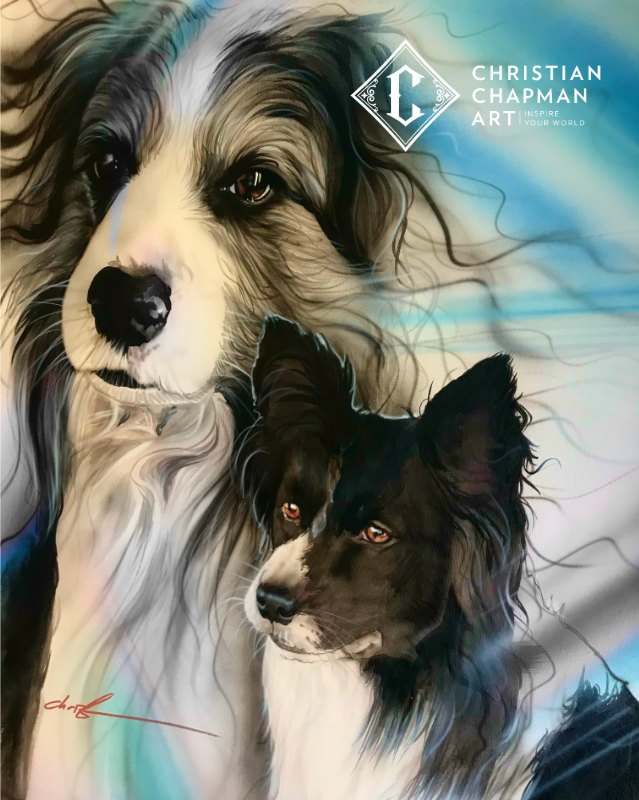
Why Realistic Pet Remembrance Artwork Lasts
View our beautiful pet portraits HERE.
Some pets leave behind more than memories. They leave behind habits in the house, quiet routines, a favourite spot by the window, and a presence that still feels close long after they are gone. That is why realistic pet remembrance artwork matters so deeply. When it is done well, it does not just reference a beloved animal - it brings back their expression, their spirit, and the details your mind never wants to lose.
For many people, a memorial piece is not about decoration first. It is about keeping something precious visible. A dog’s wise eyes, the tilt of a cat’s ears, the softness in an ageing muzzle, the alert posture that said everything without a sound - these are the details that made them yours. Generic pet art can be sweet, but realism has a different job. It has to honour a life with accuracy, feeling and respect.
What makes realistic pet remembrance artwork different
The difference starts with likeness. In memorial art, resemblance is everything. If the face is slightly off, if the eyes feel flat, or if the coat pattern is simplified too much, the emotional connection disappears fast. A strong memorial portrait needs more than technical skill. It needs the artist to understand how tiny details carry emotional weight.
That might mean the exact white patch on a chest, the worn softness around the eyes of an older companion, or the particular way a pet held its head. These are not minor features. They are the visual language of memory. Realistic pet remembrance artwork succeeds because it treats those details as essential, not optional.
There is also a major difference between a fun pet portrait and a remembrance piece. A casual portrait can be playful, stylised or decorative. A memorial artwork has a greater emotional responsibility. It needs to feel dignified without becoming stiff, and personal without becoming sentimental in a forced way. Getting that balance right is what separates premium artwork from something quickly produced and easily forgotten.
Why realism carries more emotional power
Grief is deeply personal, and so is remembrance. Some people want a soft, symbolic tribute. Others want a portrait so lifelike it feels like their pet is still watching over the room. Neither response is wrong, but realism often speaks most strongly to people who are afraid of losing the truth of how their pet looked.
Photographs help, of course, but they do not always become part of the home in the same way. A mobile gallery can hold thousands of images that are rarely revisited. A framed portrait changes the atmosphere of a space. It gives memory a physical presence. It says this life mattered, this bond mattered, and it deserves more than a quick scroll through old photos.
That is where realism becomes powerful. Not because it copies a photo exactly, but because it translates the pet’s presence into a finished artwork with weight and permanence. The best pieces do not feel cold or clinical. They feel alive.
Choosing the right reference for a memorial portrait
A beautiful outcome usually starts with the reference image, but perfect studio photography is not essential. What matters most is clarity, expression and recognisable character. The strongest source photo is often not the most polished one. It is the image that feels most like them.
Sometimes that means bright, alert eyes and a direct gaze. Other times it means a side profile that captures their calm nature, or a familiar pose seen every day for years. If a pet had a look that family members instantly recognise, that should guide the artwork more than any trend or styling choice.
There are trade-offs here. A highly detailed portrait needs enough visual information for the artist to work with, especially around the eyes, fur direction and facial structure. If only older or low-resolution images exist, a skilled artist can still create something moving, but expectations should be grounded in what the reference allows. Realism thrives on detail, and detail begins with the material provided.
The details that make a portrait feel true
In memorial work, the eyes do most of the emotional heavy lifting. People recognise this instinctively. If the eyes are right, the artwork starts to feel familiar in an immediate, almost confronting way. If they are wrong, even a well-painted portrait can feel distant.
But likeness does not sit in the eyes alone. The shape of the muzzle, the tension in the ears, the structure of the chest, the texture of the coat and even the way light falls across the face all contribute to authenticity. These details are not there to show off technique. They are there to restore presence.
Background choices matter too. Some clients want a clean, timeless backdrop so the pet remains the sole focus. Others prefer something softer and more atmospheric, especially if the piece is being created for a particular room. Neither option is better across the board. It depends on whether the goal is a pure memorial statement or a tribute that also integrates beautifully into the home.
Realistic pet remembrance artwork as part of the home
The strongest remembrance pieces do more than preserve memory. They become part of daily life. A memorial portrait placed in a living area, hallway or bedroom does not feel like a museum object. It becomes a quiet, ongoing relationship with the memory of that animal.
This matters more than many buyers expect. A custom artwork has emotional value, but it also has visual impact. Scale, framing, colour palette and placement can completely change how the piece is experienced. A smaller portrait can feel intimate and personal. A larger statement piece can be incredibly powerful, especially when the pet was central to the family.
For homeowners who care about both sentiment and presentation, realism offers a rare combination. It can be emotionally loaded without looking out of place in a refined interior. Done properly, it reads as both a tribute and a serious piece of art.
Commissioning a memorial piece without regret
People often worry about one thing above all else - what if it does not look like them? It is a fair concern, especially with remembrance artwork, where the emotional stakes are high. That is why artist selection matters so much.
You are not just choosing someone who can paint fur. You are choosing someone who can interpret likeness with sensitivity and authority. Their portfolio should show consistency, not just one or two standout images. It should show that they understand how to capture individuality across different animals, colours, ages and expressions.
Communication also matters. A memorial commission should feel considered from the beginning. The artist should want to know what makes that pet unforgettable to you. Was it their gentle nature, their strength, their mischievous expression, the way they sat beside the couch every evening? Those details shape better decisions in the finished portrait.
For buyers seeking premium realism and emotional depth, this is where an artist-led brand makes a difference. Christian Chapman Art, for example, sits in that rare space where technical realism and emotional impact are treated as equally important. That balance is exactly what remembrance work demands.
When a realistic memorial portrait is the right choice
Not every tribute needs to be highly realistic. Some people genuinely connect more with looser, expressive styles. But if your priority is true likeness, if you want to preserve the exact face you knew and loved, realism is often the right path.
It is especially right when memory feels tied to detail. The markings no one else would notice. The expression you could recognise from across a room. The aged features that told the story of a life shared over many years. Those things deserve accuracy.
There is also something reassuring about choosing permanence over trend. Interior styles change. Tastes shift. But a strong realistic portrait does not depend on novelty. It endures because it is built on something real.
The best realistic pet remembrance artwork is not loud about its importance. It does not need to be. It sits on the wall and does what only great portraiture can do - it makes love visible, and it gives memory a place to live.