

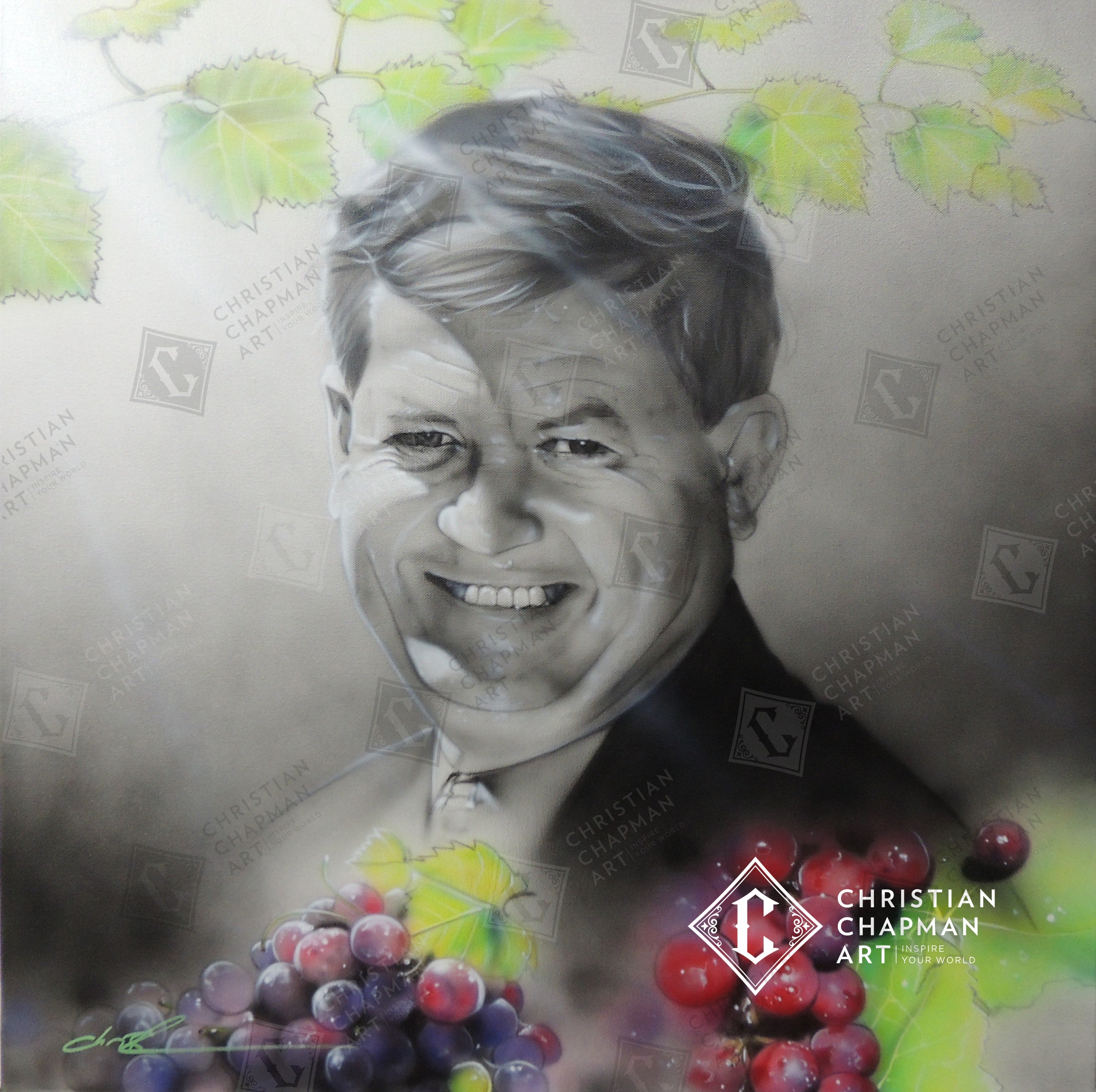
How to Commission Memorial Art Well
View our beautiful portraits and enquire HERE.
Some commissions ask for skill. Memorial commissions ask for more than that. When you are working out how to commission memorial art, you are not just buying something beautiful for a wall. You are placing trust in an artist to hold a life, a bond, and a memory with real care.
That changes everything about the process. The right memorial artwork can feel deeply personal, visually powerful and emotionally grounding every time you see it. The wrong approach can leave the piece feeling generic, overworked or disconnected from the person or pet you wanted to honour. If you want the final artwork to carry genuine presence, it helps to approach the commission with clarity from the start.
How to commission memorial art with the right intent
The first decision is not size, medium or budget. It is purpose. Ask yourself what you want this artwork to do.
For some people, memorial art is about comfort - a quiet portrait that keeps someone close in the home. For others, it is a statement piece, designed to celebrate a larger-than-life personality with strength, dignity and visual impact. Sometimes it is for a family member as a gift, which means the emotional tone matters just as much as the likeness.
That purpose should shape every creative decision that follows. A soft, intimate portrait may suit one family. A bold, realistic piece with dramatic presence may suit another. There is no single correct style for remembrance. What matters is whether the artwork feels truthful to the person, the relationship and the space where it will live.
This is where realism often matters most. In memorial work, likeness is not a small detail. It is the heart of the piece. If the expression is off, if the eyes feel empty, or if the subject looks like a rough approximation rather than themselves, the emotional effect falls away quickly. A strong memorial portrait needs technical accuracy, but it also needs emotional intelligence.
Choose an artist whose style already carries emotion
One of the biggest mistakes people make is choosing an artist based only on price or turnaround time. Memorial art is not the place to gamble on style. You want an artist whose existing work already shows the qualities you need - strong realism, sensitivity, consistency and the ability to create presence on the canvas.
Look closely at their portraits. Do the faces feel alive? Is there depth in the eyes? Can you see personality, not just resemblance? If they paint pets, children, musicians or family subjects with conviction, that usually tells you a lot about how they handle emotionally loaded commissions.
This is also where personal taste matters. Some buyers want soft and understated. Others want a piece with dramatic contrast and gallery-level impact. Neither is better, but the artist should already work naturally in the direction you want. Asking an artist to become someone else for your commission rarely produces their best work.
If you are commissioning something this meaningful, confidence matters. You should feel that the artist can handle both the technical demands and the emotional weight of the brief.
Start with the best reference images you can find
If you want a breathtaking result, give the artist every possible advantage. Memorial art often relies on older photos, screenshots or imperfect images, and sometimes that cannot be helped. But reference quality still has a huge effect on the final piece.
Try to provide clear images that show the person's face, natural expression and eye detail. If the memorial is for a pet, send photos that capture coat texture, markings and the look they gave you that was unmistakably theirs. A technically sharp photo is useful, but an emotionally true photo is often even more valuable.
It also helps to send more than one image. Even if the final composition is based on a single main photo, extra references give the artist context. They can see how the subject's features sat from different angles, how their smile usually looked, or what colour details may have been lost in one image.
If the person has passed and the only photos available are poor quality, be upfront about that. A skilled portrait artist can often work with limited material, but it is better to discuss the limitations early rather than expect miracles from a blurry picture taken across a room.
Tell the story behind the subject
Good artists do not just copy photos. They interpret people. That is why context matters.
When thinking about how to commission memorial art, one of the most valuable things you can do is explain who the subject was. You do not need to write pages, but a few honest details can change the entire feel of the piece. Were they calm and gentle? Funny and larger than life? Quietly elegant? Tough, proud and impossible to forget? Those qualities influence posture, expression, colour mood and composition.
The same goes for memorials of pets. Was your dog the soft-hearted shadow that followed you everywhere, or the wild spirit that owned every room? Was your cat regal, mischievous or deeply affectionate? The finest memorial artworks capture more than anatomy. They capture character.
You might also mention if there are visual elements that matter deeply - a favourite jacket, a military uniform, a well-loved collar, a meaningful background, or a certain age you want remembered. These details should support the portrait rather than clutter it, but when chosen carefully, they can make the work feel unmistakably personal.
Be clear about what you want, but leave room for artistry
A successful commission sits in the balance between direction and trust. You should absolutely communicate what matters to you - size, subject, mood, key details and where the artwork will be displayed. At the same time, the artist needs enough creative freedom to make strong visual decisions.
This is especially true with memorial art. Sometimes the most moving composition is not the most literal one. A cleaned-up background, a stronger crop, a richer tonal range or a more focused expression can turn a decent source image into a remarkable final artwork.
If your home has a particular interior style, mention that too. A memorial piece should honour the subject, but it also needs to feel right in the room. Statement wall art can be deeply emotional without looking out of place. Scale, palette and framing all affect whether the piece quietly blends in or commands attention.
For buyers who want realism with emotional gravity, this is where working with an artist like Christian Chapman can feel especially compelling - the goal is not simply to reproduce a face, but to create a visually striking piece that carries true likeness and lasting presence.
Discuss medium, size and timeline honestly
Memorial commissions are often time-sensitive, especially if they are intended for an anniversary, family gathering or gift. Ask about timeline early and build in breathing room. Rushed artwork rarely serves a subject this important.
Medium matters as well. An original painting brings presence, texture and collector value that prints cannot replicate. That said, your choice depends on budget, intended display and what kind of emotional impact you want. Some clients want a singular heirloom. Others want one artwork that can also be reproduced for multiple family members.
Size is another decision people often underestimate. A small portrait can feel intimate and precious. A larger work can become a true focal point in a home, giving the subject the scale and reverence they deserve. Neither is automatically more meaningful. It depends on whether you want quiet closeness or commanding presence.
Handle revisions with care
Memorial commissions can make people understandably anxious, which can lead to over-directing every detail. But too many revisions can flatten a piece and strip away the artist's instinct. The better approach is to focus on essentials.
If the likeness is off, speak up. If a key expression feels wrong, say so clearly. If you are just adjusting small things out of fear rather than need, pause before requesting changes. The strongest artwork usually comes from collaboration, not control.
A professional artist should also be transparent about what can and cannot be changed at different stages. That clarity protects both the commission and the client experience.
Let the artwork become part of the home
Once the piece arrives, give some thought to where it will live. Memorial art deserves placement that reflects its importance. That does not always mean the most formal room in the house. Sometimes the best place is where the subject naturally still feels present - above a piano, in a hallway you pass every day, in the living area where the family gathers, or beside the chair where the dog used to sleep.
Lighting, framing and wall space all shape the emotional experience of the artwork. A powerful portrait can completely transform a room, not just visually but emotionally. It can make remembrance feel less abstract and more present, more anchored.
The best memorial art does not freeze grief in place. It gives memory a form you can live with. If you choose the right artist, share the right material and trust the process enough to let something honest emerge, the finished piece can become far more than a tribute. It can become one of the most meaningful things in your home.